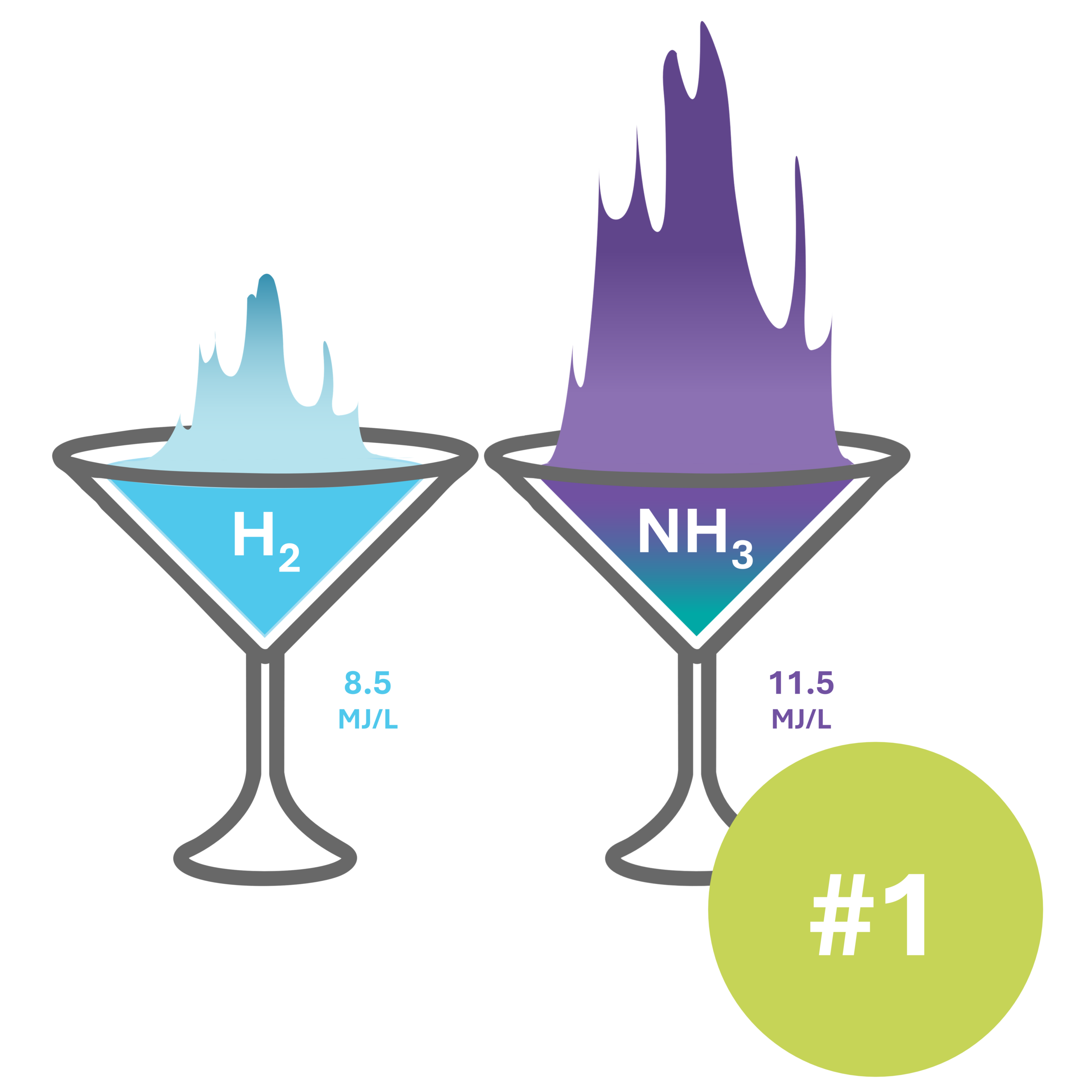
…when it comes to real-world storage & transport, liquid ammonia can pack more energy into a liter than liquid hydrogen?
Considering its volumetric energy density, it has a clear advantage over liquid hydrogen.
Energy per Litre:
Liquid Hydrogen: 8.5 MJ/L
Liquid Ammonia: 11.5 MJ/L
…ammonia is the second most widely produced chemical worldwide?
Ammonia benefits from a large scale distribution and storage infrastructure, developed over decades due to its widespread use in:
Agriculture: as a key component of fertilisers
Industrial chemical production: including synthetic fibers, nylon, and dyes
Refrigeration: for food & beverage processing, cold storage facilities
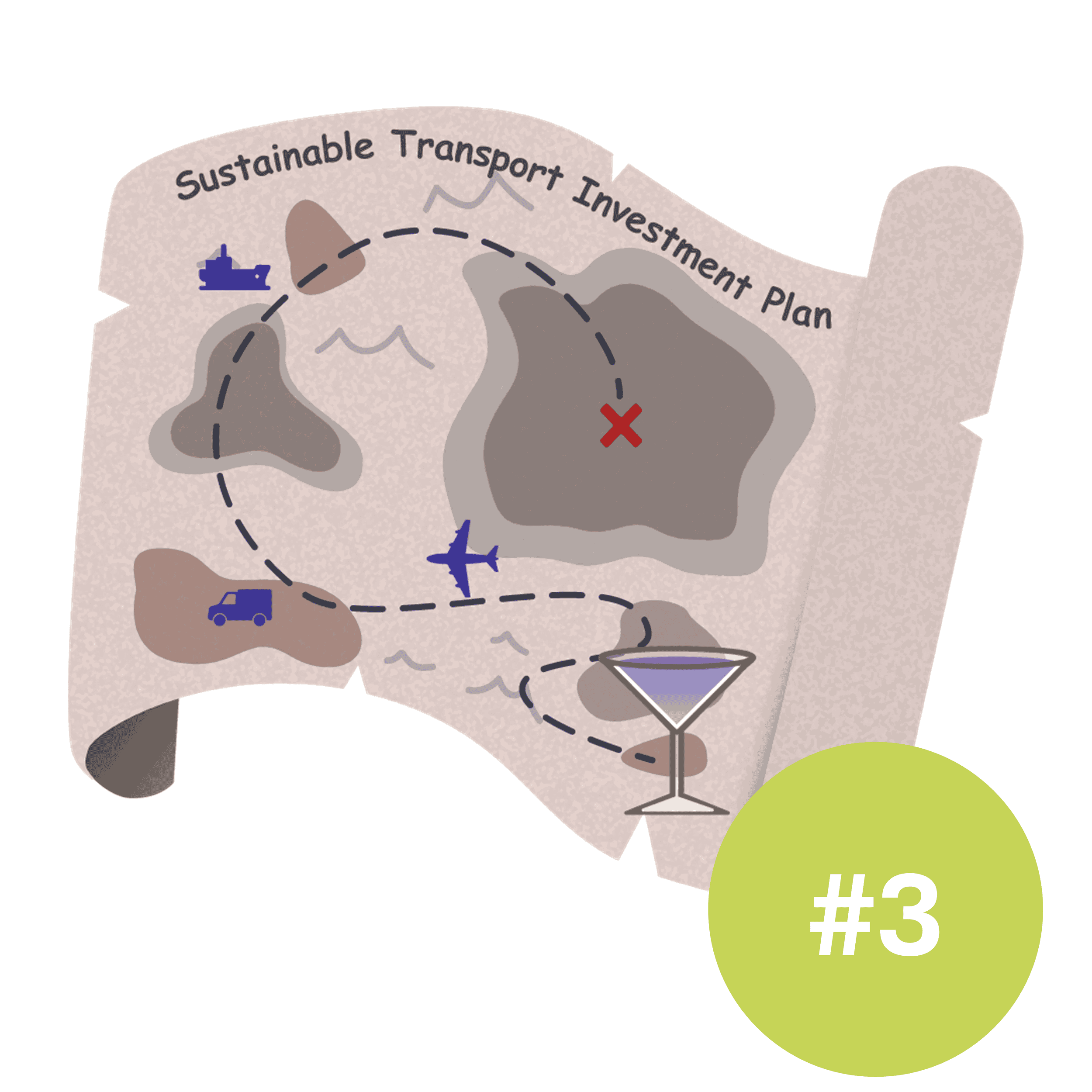
…the European Commission has adopted a new plan to accelerate clean transport?
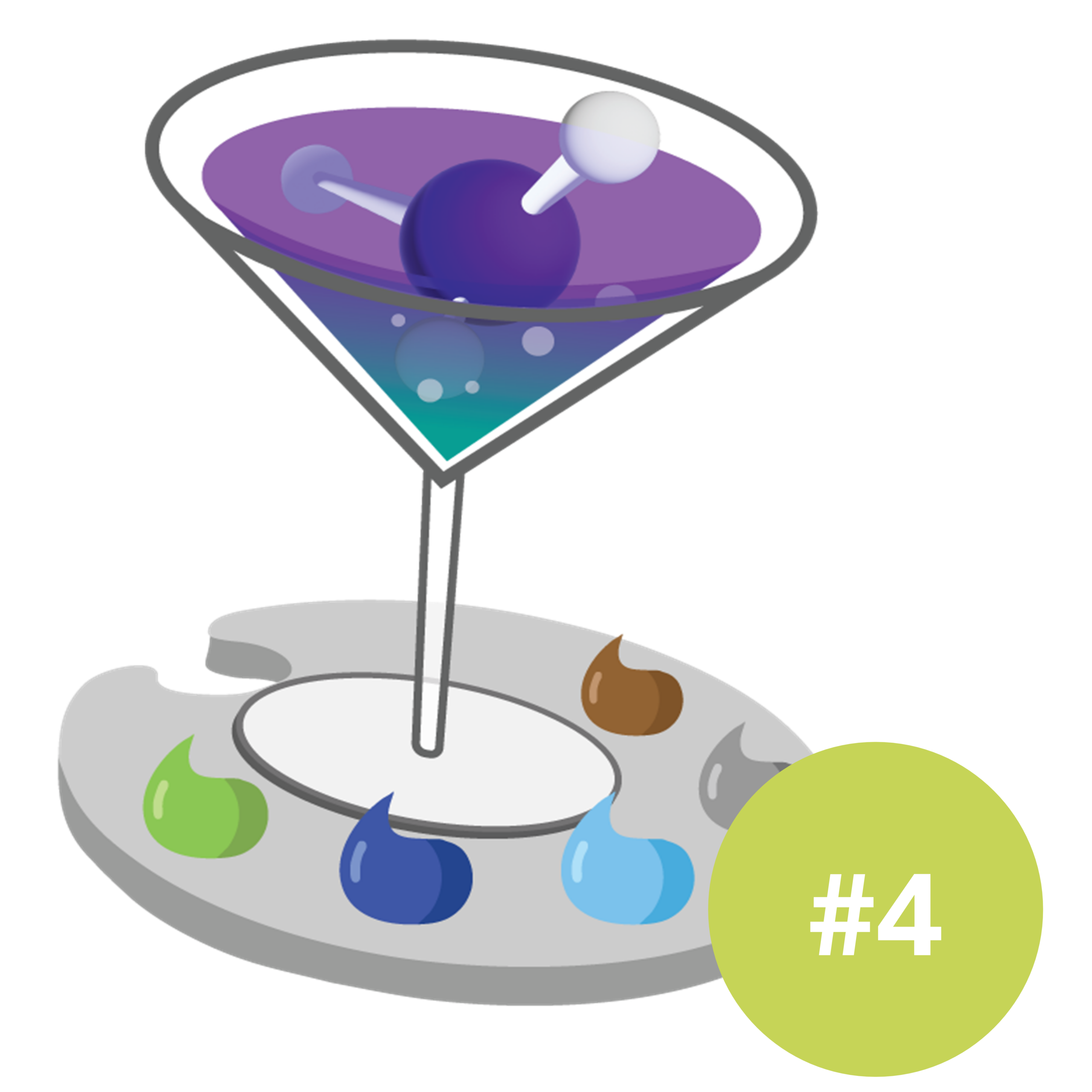
…ammonia is classified by “colors” based on how it is produced?
These colors don’t describe the ammonia itself, which is always colorless, but rather the carbon footprint in its production.
Brown Ammonia: Produced using hydrogen derived from coal gasification.
Grey Ammonia: Produced using hydrogen from natural gas via steam methane reforming.
Blue Ammonia: Similar to grey or brown processes but combined with carbon capture and storage technologies to reduce CO₂ emissions.
Turquoise Ammonia: Produced using hydrogen from methane pyrolysis, generating solid carbon instead of CO₂.
Green Ammonia: Produced using hydrogen from water electrolysis powered by renewable energy, resulting in near-zero carbon emissions.
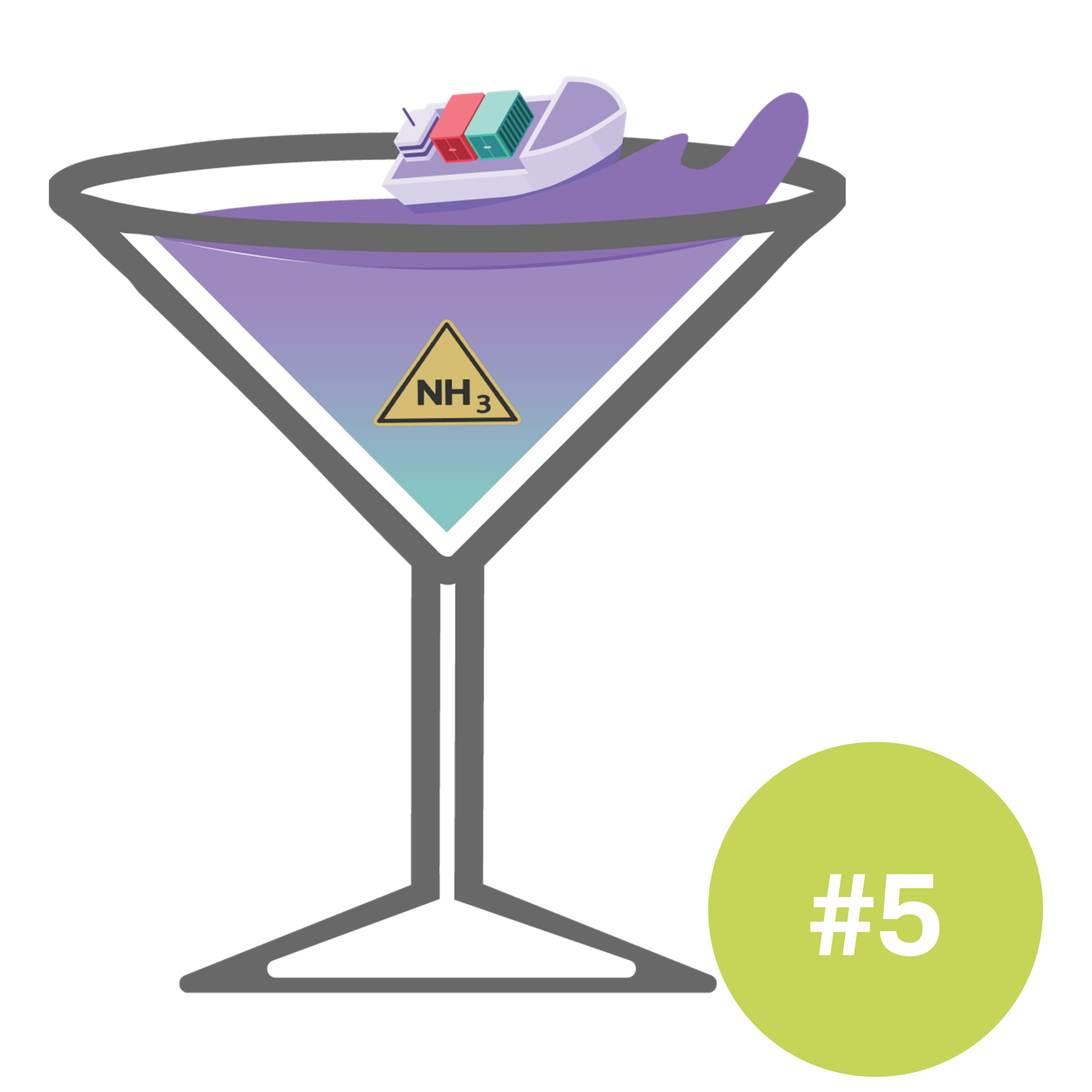
…the European Maritime Safety Agency has published several studies investigating the safety of ammonia as fuel on ships?
…Green Ammonia Market is set to become one of the fastest-growing segment in energy & chemical sectors?
Ammonia is a major global commodity market, valued at approximately €70.0 billion in 2024, and it plays a critical role in several industries including fertilizers, refrigeration, among others.
Imagine this large, established market undergoing rapid decarbonization. This shift has triggered the emergence of the Green Ammonia Market, currently estimated at around €0.27 billion in 2024 and projected by several market analysts to grow at a high CAGR of up to roughly 66% in the coming years.
…there are already several reports describing the safety of ammonia as a fuel in heavy trucks?
Today, ammonia has the lowest probability of an accidental release in truck transport.
…the 1st successful synthesis of ammonia was achieved in 1909 by the Haber-Bosch process?
The first successful synthesis of ammonia was achieved in 1909 using the Haber-Bosch process. Fritz Haber developed the method to produce ammonia by combining nitrogen and hydrogen, and Carl Bosch later scaled it up for industrial use. The process became one of the most important chemical inventions because it enabled the large-scale production of fertilizers, helping support modern agriculture and feed billions of people.